When tropical storm remnants reach the Triad: roof claims
Tropical storm remnants regularly reach the Triad. How named-storm deductibles work in North Carolina, wind versus flood, and how to prepare and document roof damage.
Last reviewed against official sources. General information, not insurance or legal advice.
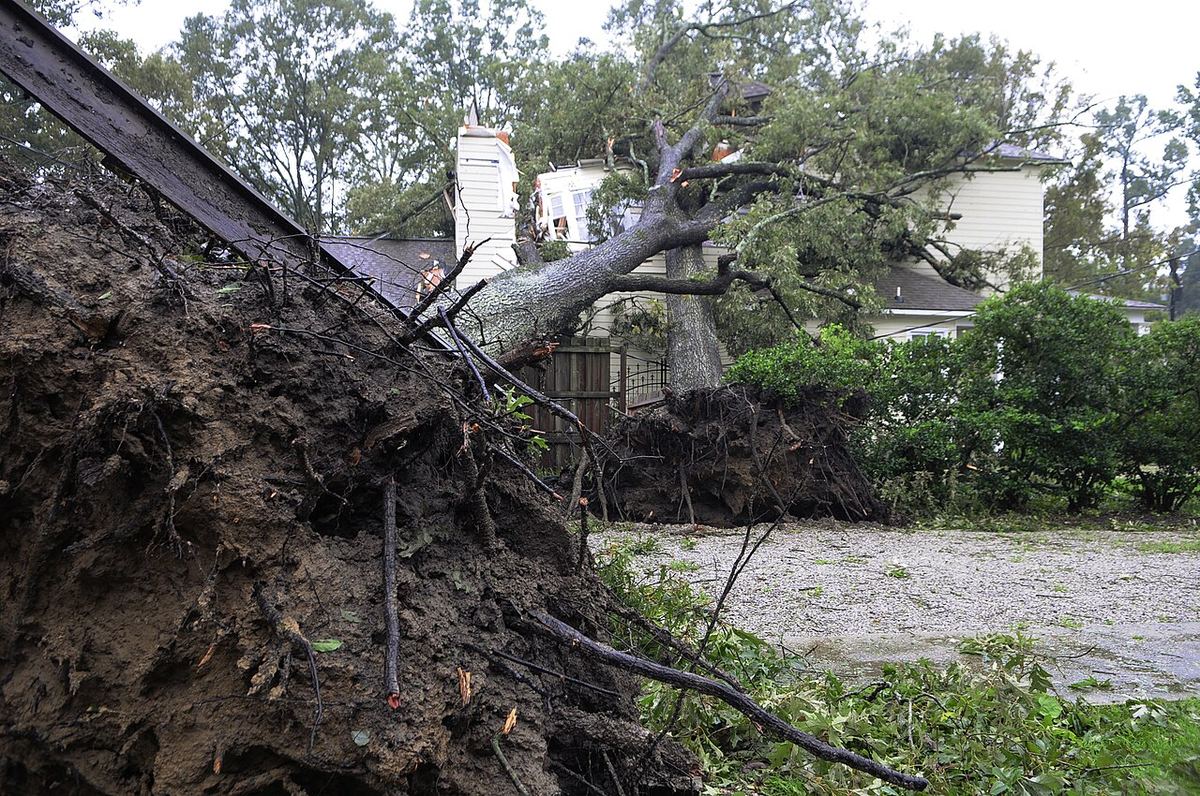
Tropical storms usually reach the Triad as weakened systems, but they still bring strong gusts and heavy rain onto saturated ground, which is why falling trees cause most of the roof damage. Homeowners policies generally cover wind and tree damage; flood needs a separate policy. If your policy has a named-storm deductible, it may apply instead of your regular one.
The Triad is far from the coast, but the NOAA Storm Events Database records tropical storm conditions here during Irene (2011), Hermine (2016), Michael (2018), Zeta (2020) and Ian (2022), and high winds during Helene in September 2024.
Does a named-storm deductible apply this far inland?
Short answer: it can, if your policy has one. Check your declarations page; a named-storm deductible is not limited to coastal homes on every policy.
Many North Carolina policies, especially near the coast, carry a separate hurricane, named-storm, or wind/hail deductible, often written as a percentage of the dwelling coverage (Coverage A) rather than a flat dollar amount. The declarations page shows which deductibles apply. The NC Department of Insurance can explain terms and take complaints. The NC Department of Insurance describes a typical window that opens when the National Weather Service issues an advisory, watch or warning for a named storm anywhere in North Carolina and closes 24 hours after the last one ends. A 2% deductible on a $300,000 home is $6,000. Look for it on your declarations page before the season.
Wind and trees vs flood
Short answer: wind damage, trees blown onto the house and rain through wind-damaged openings are generally homeowners claims. Rising water from creeks or flash flooding is flood, which needs a separate policy.
- A limb or tree falls on the roof in tropical storm winds: generally homeowners.
- Shingles blown off, rain comes in: generally homeowners.
- Water rises into the basement or crawl space from outside: flood, if you have it.
In the Triad, the main risk is trees. Days of rain soften the ground, and gusts that would not snap a healthy tree can uproot it.
Getting ready
- Take dated photos of the roof and house before each season.
- Have an arborist look at big trees near the house, especially ones leaning toward it.
- Clear gutters and downspouts.
- Secure outdoor items.
- When you reroof, ask about upgrades such as a sealed roof deck, ring-shank nails and the IBHS FORTIFIED Roof standard, and whether your insurer offers a discount.
After the storm passes
- Watch for downed lines and unstable trees; call the power company about lines.
- Photograph and video all damage before cleanup.
- Tarp openings and dry wet areas; keep receipts.
- Hire a tree service to remove trees from the roof; do not cut them yourself.
- Report the claim and note the storm's name.
- Be wary of crews that arrive right after the storm; see questions to ask a roofer.
Tropical storms recorded in the Triad
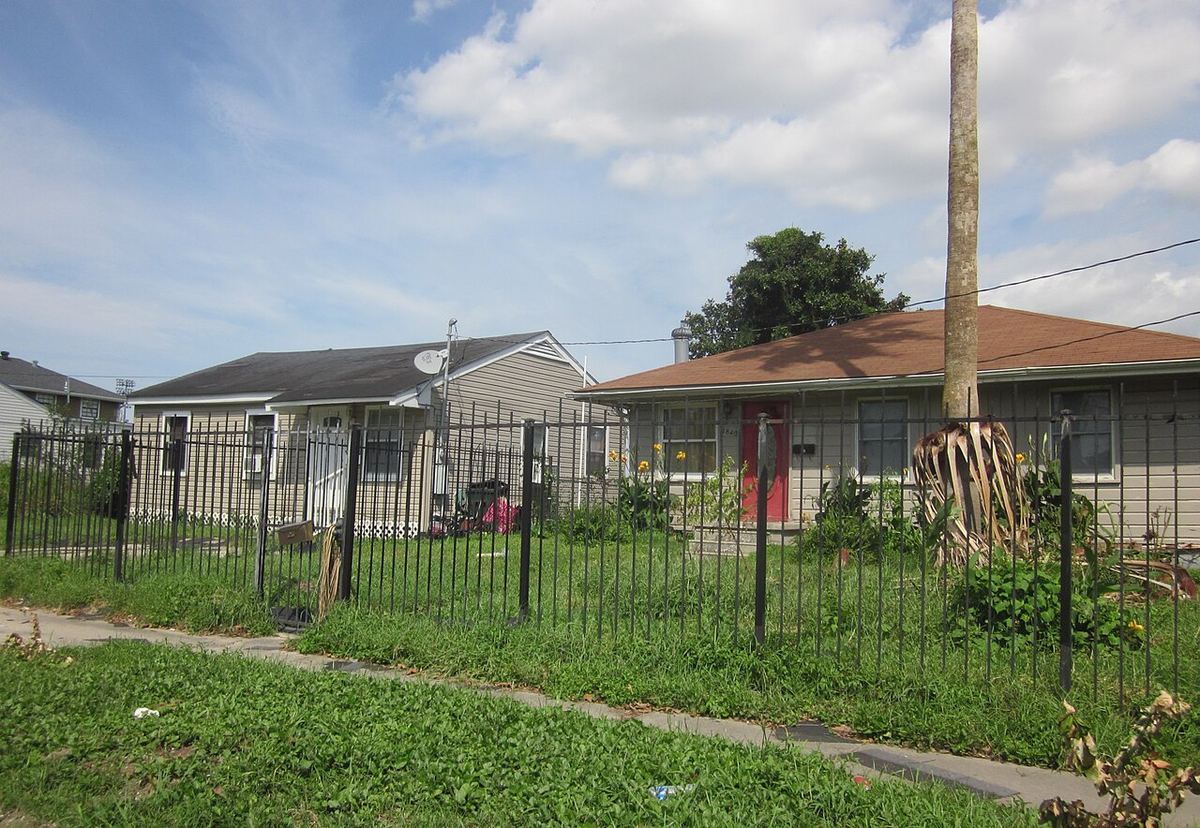
Tropical storm conditions were recorded in Triad forecast zones on August 27, 2011 (Irene), September 2, 2016 (Hermine), October 11, 2018 (Michael), October 29, 2020 (Zeta) and September 30, 2022 (Ian), and high winds on September 27, 2024 (Helene). Saturated ground and strong gusts make tree falls the main roof risk.
FEMA help
After a federal disaster declaration, FEMA Individual Assistance may cover some uninsured needs. It does not replace insurance and usually requires filing with your insurer first. Apply at DisasterAssistance.gov.
Rain is often the bigger inland problem
By the time a hurricane reaches the Triad its winds are much weaker, but it can still drop several inches of rain over days. During Florence in 2018, Piedmont Triad International Airport recorded 6.99 inches of rain, according to NOAA's Weather Prediction Center. Long rain finds small roof openings, saturates the ground under big trees, and can flood basements and low areas. Rising water is not covered by homeowners insurance; it needs a flood policy, which usually has a 30-day waiting period, so buy it well before a storm.
Before a storm reaches the Triad
- Clean gutters and downspouts so heavy rain drains away from the house.
- Take dated photos of the roof and every side of the house.
- Trim dead limbs over the roof if there's time.
- Know where your water and power shutoffs are.
Tropical storm prep for Triad homes (printable)
- Dated photos of the roof and each side of the house before the season.
- Do I have a named-storm or hurricane deductible? ____% = $____
- Flood insurance in place? (New NFIP policies usually wait 30 days.) Y / N
- Large oaks or pines over the house inspected or trimmed by an arborist.
- Gutters and downspouts cleared.
- Patio furniture, grills and trampolines secured or stored.
- Tarps, flashlights and a charged phone ready.
- Insurer's claim number and app saved.
- After the storm: photos before cleanup; tarp; keep receipts.
- Report promptly and note the storm's name.
Frequently asked questions
Do Triad homeowners have hurricane deductibles?
Some do. Check your declarations page for a named-storm or hurricane deductible.
Is a tree on my roof from a tropical storm covered?
Generally yes, as wind damage, with removal often covered up to a limit.
Does homeowners insurance cover flooding from heavy rain?
Generally not when water rises from outside. That needs flood insurance.
Should I cut a tree off my roof myself?
No. Hire a professional tree service and photograph the damage first.
Policies vary. Check your own policy and ask your insurer or agent about anything that affects your claim. Laws and rules can change; this page reflects official sources as of October 29, 2026. RoofingGreensboro.com is not a contractor, insurer, adjuster or law firm.
Find local help
Roofing contractors serving Greensboro and the Piedmont Triad · Ask for storm help · Counties and towns
Sources
- NC Department of Insurance
- NOAA National Hurricane Center
- Ready.gov: Hurricanes
- FEMA National Flood Insurance Program: FloodSmart
- NOAA NCEI: Storm Events Database
- IBHS FORTIFIED Roof
- NC Department of Insurance: Windstorm and hail (named storm deductibles)
- NOAA Weather Prediction Center: Florence storm total rainfall