A tree fell on your Triad house. What do you do first?
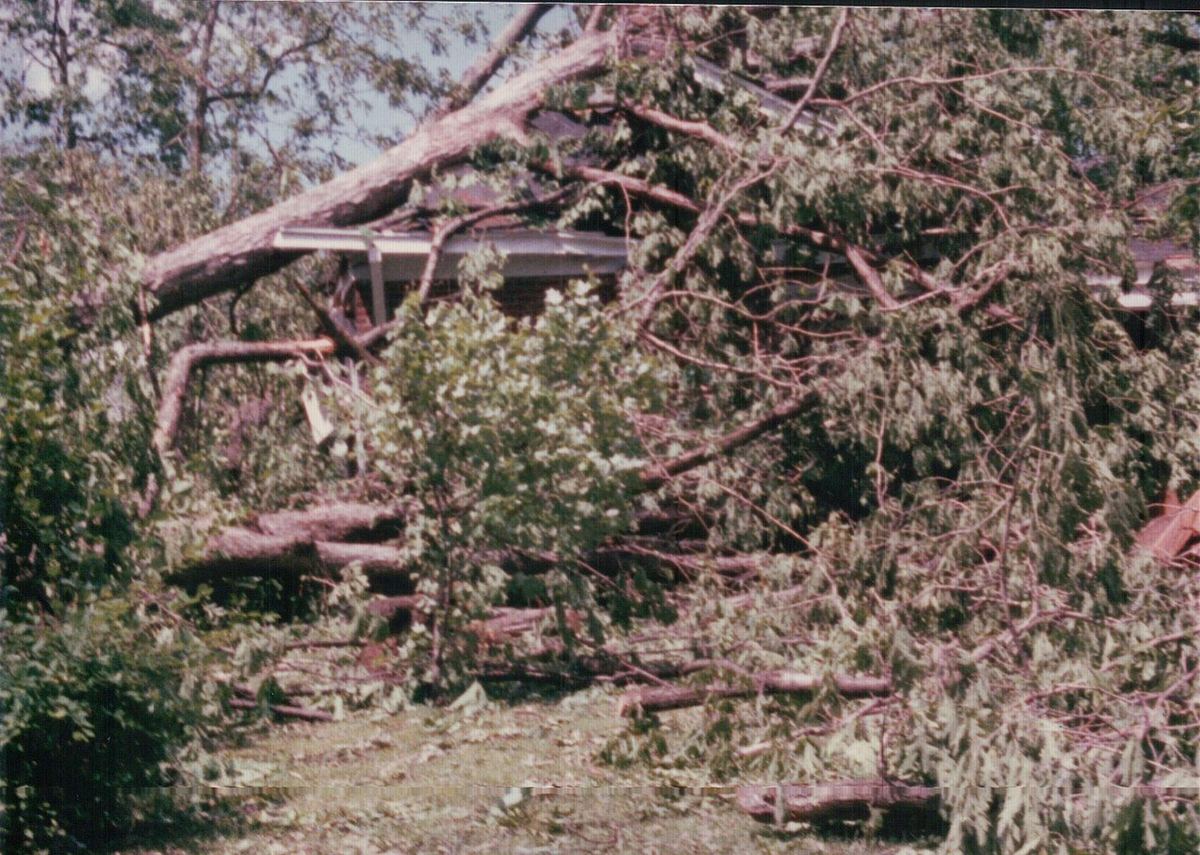
Old oaks, poplars and maples shade many Triad neighborhoods, and they are what most often comes through roofs here in downbursts, ice storms and tropical remnants.
Last reviewed against official sources. General information, not insurance or legal advice.
Get everyone out of the rooms under the tree, stay away from any wires and report them to Duke Energy, then photograph the damage from outside. Have a tree service remove the tree and a roofer tarp the hole, and call your insurer. A tree that falls on your house in a storm is generally covered by your own homeowners policy, even if it was your neighbor's tree.
First steps
- Move people and pets away from the damaged rooms. A tree can shift as it settles.
- Assume any wire touching the tree is live. Report downed lines to Duke Energy or your electric cooperative, and do not let a tree crew start until the power is off.
- Turn off water or power to the damaged area if it is safe to reach the shutoffs.
- Photograph the tree on the house from every side before anything moves, then the inside.
- Call the insurer to start a claim, and ask what they need before the tree is removed.
Why Triad trees fall
NOAA's Storm Events Database has 1,474 thunderstorm wind reports in the five Triad counties from 2006 through 2025, and 1,401 of their descriptions mention trees. 128 of those also mention homes or houses. Most were downbursts in late spring and summer, when trees are in full leaf and catch the most wind.
Ice is the other cause. On March 6, 2014, a quarter to half an inch of freezing rain in Guilford County brought down trees and power lines across the county, with $8.1 million in property damage recorded by NOAA. Tropical remnants such as Florence in 2018 and Helene in 2024 add days of soaking rain, which loosens roots before the wind arrives.
Greensboro's Fisher Park and Irving Park, Winston-Salem's Buena Vista and West End, and Oak Ridge's wooded lots have big hardwoods over houses. Trees on roofs are one of the most common storm claims in the Triad.
Is it covered?
Short answer: damage to your house from a tree that fell in a storm is usually covered by your policy, whoever owns the tree.
- Your insurer typically pays to repair the house and remove the tree from it, minus your deductible.
- If you can show the tree was obviously dead or dying and the owner was warned, the insurer may try to recover from that owner's insurer. That is between the insurers.
- A tree that fell in the yard without hitting a structure may have limited coverage. Many standard forms cover removal only in certain cases, such as blocking a driveway, and cap it, often at $1,000 per loss and $500 per tree. Check the debris removal section of your policy.
- Fences, sheds and cars are separate items. Cars are covered by your auto policy's comprehensive coverage, if you have it.
Dead trees and neglect
Insurers may deny claims for damage caused by trees that were clearly dead or rotten. If you have a tree you're worried about, an arborist's written report and a dated photo help either way: they show you took care, or they support removal before it fails.
Getting the tree off and the roof dried in
Large trees are often lifted off in sections by crane. Ask the tree company for liability and workers' compensation insurance and a written price. Once the tree is off, a roofer should tarp the opening the same day if possible; see emergency tarping. Keep every invoice.
What a full repair includes
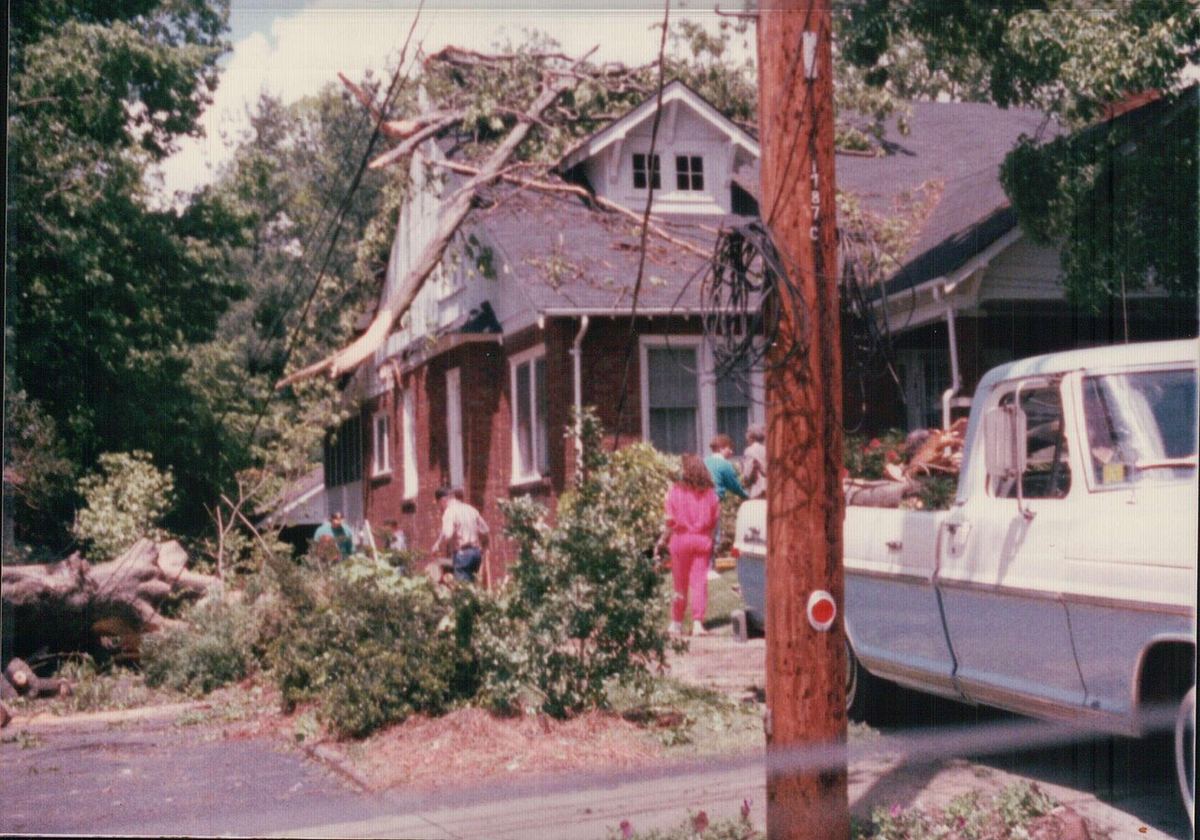
A tree strike often breaks rafters or trusses and decking, not just shingles. The estimate should include structural repair, new decking, underlayment and shingles for the damaged area, interior ceiling and insulation work, and gutters if they were crushed. Ask whether an engineer's or framer's report is needed, and whether the city or county requires a permit for the structural repair.
If you have to move out
If the house can't be lived in while it's repaired, your policy's loss of use coverage (also called additional living expense) may pay for a hotel or rental and extra meal costs. Keep receipts and ask your insurer how they will pay.
Before the next storm
- Have an arborist look at big trees near the house, especially ones with dead limbs, cavities, mushrooms at the base or a new lean.
- Prune limbs that hang over the roof, ideally in the dormant season.
- Take dated photos of your trees and roof for your records.
Trees in older Triad neighborhoods
Many large oaks and poplars in older Greensboro, High Point and Winston-Salem neighborhoods are decades old, and some have root damage from sidewalks, driveways or new construction. Signs worth an arborist's look include a new lean, cracked soil on one side of the trunk, dead branches in the top of the crown, fungus at the base and hollow sections. Some cities have rules for trees in the public right-of-way between the sidewalk and the street; ask the city before cutting one.
Frequently asked questions
My neighbor's tree fell on my house. Who pays?
Usually your own homeowners insurer, minus your deductible. If the tree was clearly dead and the neighbor had been warned, your insurer may seek payment from the neighbor's insurer.
Will insurance pay to remove a tree that missed the house?
Sometimes, within limits. Many standard forms cover it only in certain cases and cap it, often at about $1,000 per loss and $500 per tree. Check your policy's debris removal section.
Can I cut up the tree myself?
Leave trees on houses to professionals. A tree under tension can move suddenly, and cutting near power lines is deadly. Photograph everything before anyone starts.
Do I need a permit for the repair?
Structural repairs often require a permit. Ask your roofer to check with the City of Greensboro, Winston-Salem or your county inspections office.
Policies vary. Check your own policy and ask your insurer or agent about anything that affects your claim. Laws and rules can change; this page reflects official sources as of October 29, 2026. RoofingGreensboro.com is not a contractor, insurer, adjuster or law firm.
Find local help
Roofing contractors serving Greensboro and the Piedmont Triad · Ask for storm help · Counties and towns