What to do in the first week after a Triad hailstorm
The first steps after hail in Greensboro, High Point, Winston-Salem, Burlington or Asheboro: safety, dated photos, tarping, receipts and why to slow down before signing with a contractor.
Last reviewed against official sources. General information, not insurance or legal advice.
After the hail stops, check for hazards, photograph the hailstones and every dented or broken item with the date, cover any opening and keep the receipt, compare likely damage with your deductible, report the claim, get a licensed local roofer to inspect, and do not sign anything at the door.
Steps at a glance
- Wait out the storm. Stay inside until thunder and lightning end. Then check for downed limbs, lines and broken glass.
- Photograph hail and damage. Shoot the biggest stones beside a coin, then each side of the house, each roof slope from the ground, and all dented metal.
- Prevent more damage. Tarp or board openings, move belongings away from drips, and keep receipts and before-and-after photos.
- Check your deductible. Find your wind/hail or all-perils deductible on the declarations page and compare it with likely damage.
- Report the claim. Call your insurer promptly, write down the claim number and adjuster, and ask what they need.
- Get a local inspection. Have a Triad roofer with a real address and proof of insurance inspect and write an estimate.
- Prepare for the adjuster. Gather photos, notes and receipts, and invite your roofer to the inspection.
Most of the Triad gets warnings from the National Weather Service office in Raleigh, but Rockingham County is served by the NWS office in Blacksburg, Virginia. Check the right office, or the Storm Center, which pulls alerts for all five counties.
Step 1: Make sure it is safe
Short answer: stay inside until the lightning ends, then look outside for downed lines and broken limbs before you walk around. Triad hailstorms often come with strong downburst winds that drop limbs.
Inside, check top-floor ceilings, skylights and light fixtures for water. If water is near wiring, switch off that circuit if you can safely reach the panel. Stay off ladders and the roof.
Step 2: Take the right photos
Short answer: the hailstones first, before they melt, then the house from wide to close, all with dates.
- Hailstones: several of the largest beside a coin or ruler.
- Wide shots: every side of the house and each roof slope from the yard or street.
- Close-ups: gutters, downspouts, vents, the heat pump, window screens, siding, the deck, the fence and cars.
- Granules: fresh piles at downspout outlets.
- Interior: any new stain or drip, with a wide shot of the room.
- The storm itself: save the NWS warning or find the report in the Storm Center.
Step 3: Stop more water from getting in
Short answer: tarp roof openings, cover broken windows and dry wet areas. Photograph before and after, and keep every receipt.
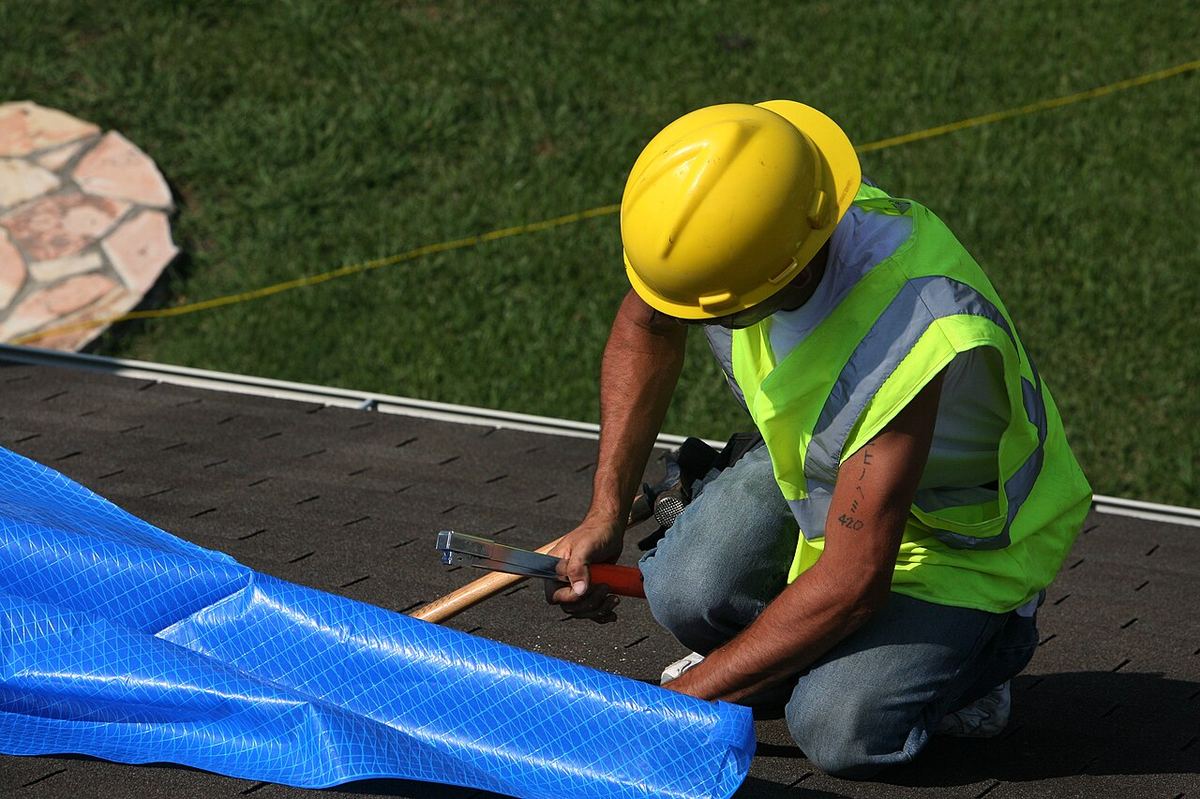
Policies generally require reasonable steps to protect the home after a loss and usually reimburse reasonable costs. Wait on permanent repairs until the insurer has inspected or agreed in writing. See emergency tarping.
Step 4: Is the damage above your deductible?
Short answer: compare a roofer's estimate of the damage with the deductible that applies to hail on your declarations page.
Some policies use a flat all-perils deductible for hail; others have a separate percentage wind/hail deductible. A 1% deductible on a $300,000 home is $3,000. If you are unsure whether to file, ask your agent how a claim below the deductible would be recorded. See wind and hail deductibles.
Step 5: Report the claim
Short answer: promptly. North Carolina's standard policy provisions also call for a sworn proof of loss within 60 days unless your insurer extends that in writing.
Write down the claim number, the adjuster's name and contact, which deductible applies and what the insurer needs next. Use our first-call question list.
Step 6: Slow down with door-to-door roofers
Short answer: after big Triad hailstorms, crews canvass whole neighborhoods. An "inspection" form signed on the porch can turn out to be a contract.
Take a card and a written estimate, then check the company before signing anything. A contractor who offers to cover or waive your deductible may be overstating the loss to your insurer, which can create insurance-fraud problems for you. Treat it as a warning sign and ask your insurer. The FTC's Cooling-Off Rule may let you cancel some door-to-door sales within three business days, but it is better not to need it. See how to check a roofer and storm chaser warning signs.
Step 7: Get ready for the adjuster
Print the adjuster question list, organize your photos and receipts, and ask your roofer to come. Point out dented metal and any interior damage.
Step 8: Keep a simple log
For every call, email and visit, write the date, the person and what was said. Follow important calls with a short email. A clear log keeps the claim moving when the insurer is handling hundreds of claims from the same storm.
Local contacts after a Triad hailstorm
- Warnings: NWS Raleigh (Guilford, Forsyth, Alamance, Randolph) and NWS Blacksburg (Rockingham).
- Permits: city and county building inspections offices; see the county and town pages.
- Contractor license check (projects of $40,000 or more): NC Licensing Board for General Contractors.
- Insurance help: NC Department of Insurance, 855-408-1212.
Hail and downburst wind on the same day
Triad thunderstorms often bring hail and strong straight-line wind together. On September 18, 2026, the Greensboro airport measured a 69 mph gust, according to the National Weather Service. When a storm brings both, look for lifted or creased shingles along edges and ridges as well as hail marks, and photograph limbs on the roof before they are removed. Report both kinds of damage in the same claim.
Townhomes and condos
Many Triad townhome and condo communities have an HOA or association master policy that covers the roof, while your own HO-6 policy covers the inside of your unit. After hail, tell the HOA or property manager about the damage in writing, and ask whose policy covers the roof. Your HO-6 may cover interior damage and part of the association's deductible if you have loss assessment coverage.
Renters
If you rent, tell your landlord in writing and photograph your belongings. The landlord's insurance covers the building; your renters policy covers your things.
Cars and other property
Car hail damage is covered under auto comprehensive coverage, not your homeowners policy. Photograph vehicles separately and file with your auto insurer.
Door-to-door roofers and your right to cancel
The FTC's Cooling-Off Rule generally gives you three business days to cancel a sale of $25 or more made at your home, with some exceptions. Don't sign a contract the day someone knocks after a storm. Get at least two written estimates from local roofers you checked yourself.
What happens over the first few weeks
- The first day or two: photos, temporary repairs and the claim report.
- The first week: written roofer estimates; contractor checks.
- One to three weeks: adjuster inspection, depending on how many claims the storm caused.
- After the estimate: compare it line by line, and request a supplement or reinspection if items are missing.
Who issues building permits around Greensboro?
A re-roof usually needs a permit. Ask your roofer to pull it in their name, and check with the building office for your address:
- Guilford County (county government): Greensboro, High Point, Jamestown, Oak Ridge, Summerfield
- Forsyth County (county government): Winston-Salem, Kernersville, Clemmons
- Alamance County (county government): Burlington, Graham, Mebane
- Rockingham County (county government): Reidsville, Eden
- Randolph County (county government): Asheboro, Archdale
After-hail checklist for Triad homes (printable)
- Storm over; no downed lines or hanging limbs near the house.
- Largest hailstones photographed beside a coin or ruler; time noted.
- Each side of the house and each roof slope photographed from the ground.
- Close-ups of dented gutters, vents, heat pump, screens, siding, deck and car.
- Openings covered; temporary repair photos and receipts saved.
- Deductible checked on the declarations page: $____
- Claim reported; claim number ____ and adjuster ____ written down.
- Roofers contacted: insurance certificate and local address checked for each.
- Nothing signed at the door; any contract taken home and read.
- Ceilings and attic rechecked after the next rains.
- Log of every call and email started.
- One folder for photos, receipts, letters and estimates.
Recent hail reports in the area
| When | Type | Where | Report notes |
|---|---|---|---|
| Hail 1.25" hail | 3 SW Mebane Alamance County | Picture passed along via social media shows a hail stone ranging from 1 to 1.5 inches. Time and approximate location estimated from radar. |
Frequently asked questions
Can I make repairs before the adjuster comes?
Temporary ones, such as a tarp, yes. Photograph first and keep receipts. Wait on permanent repairs.
How long do I have to report hail damage?
Report promptly. Policies require prompt notice, and North Carolina's standard provisions call for a sworn proof of loss within 60 days unless extended.
A roofer offered a free inspection. Is that okay?
An inspection is fine. Do not sign anything until you have checked the company and read the paper.
When will the adjuster come?
It depends on how many claims the storm created. Ask for a date and what to do in the meantime.
Policies vary. Check your own policy and ask your insurer or agent about anything that affects your claim. Laws and rules can change; this page reflects official sources as of October 29, 2026. RoofingGreensboro.com is not a contractor, insurer, adjuster or law firm.
Find local help
Roofing contractors serving Greensboro and the Piedmont Triad · Ask for storm help · Counties and towns
Sources
- National Weather Service: Thunderstorm safety
- NC Department of Insurance: FAQs about homeowners insurance
- NC Department of Insurance: When storms strike, don't let scammers rip you off (Sept. 2, 2026)
- Federal Trade Commission: Avoiding scams after a weather emergency
- Ready.gov (FEMA): Financial preparedness and documenting your property
- NAIC: A Consumer's Guide to Home Insurance
- G.S. 87-1
- OSHA: Stop falls
- Federal Trade Commission: The Cooling-Off Rule (16 CFR Part 429)