Your Triad roof is leaking after a storm. What now?
In the Triad, leaks come in two seasons: spring and summer storms that damage shingles, and winter snow and ice that find the weak spots. Stopping the water quickly and recording the cause both matter for the claim.
Last reviewed against official sources. General information, not insurance or legal advice.
Catch the water, move belongings, and poke a small hole in a bulging ceiling to drain it if it is safe. Photograph the stain and the damage, then have a roofer find the cause and tarp it. Water from a storm opening in the roof is generally covered; slow leaks from wear, or water you don't stop, often are not.
Stop the water first
- Put buckets and towels down, and move furniture and electronics.
- If the ceiling is sagging with water, puncture it at the low point over a bucket to let it drain. Stay clear of light fixtures.
- Turn off the breaker for any wet ceiling light or outlet.
- Photograph the ceiling, the walls, the floor and any damaged things, with the date.
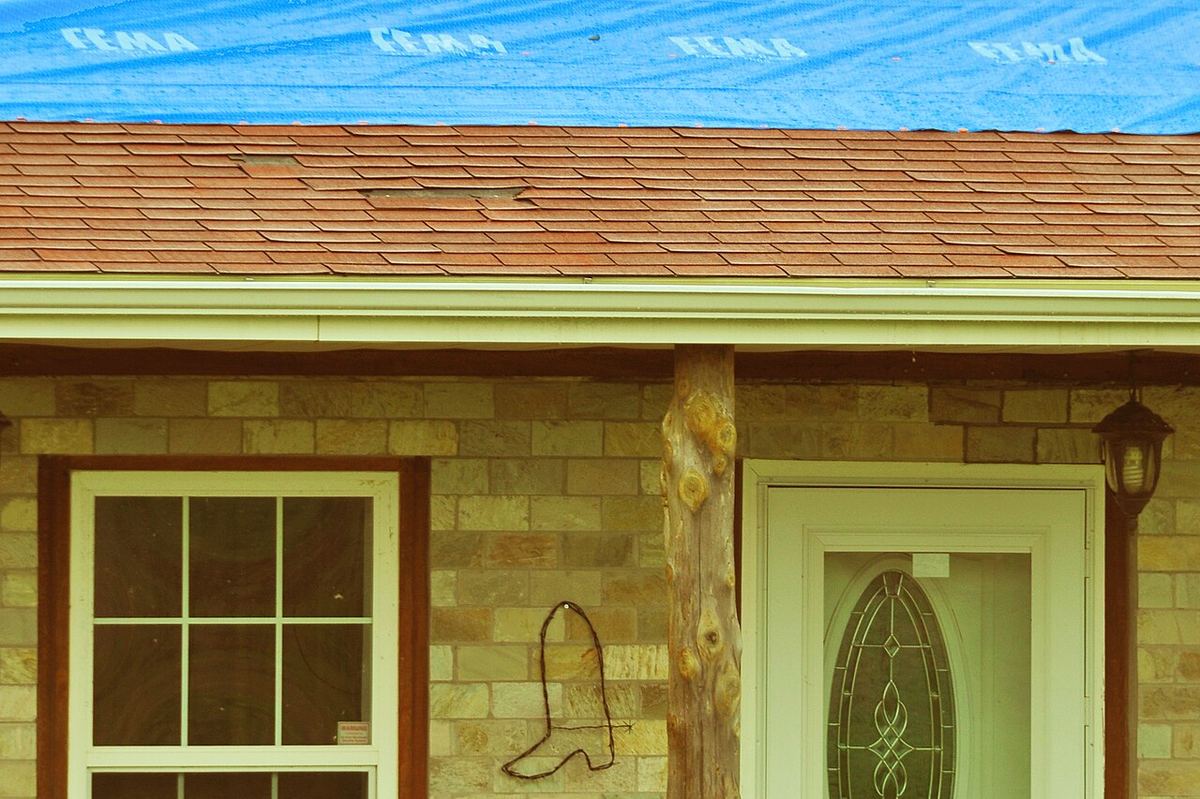
- Call a roofer to tarp the source once it is safe; see emergency tarping.
Linking the leak to the storm
Short answer: show that a specific storm opened the roof. Insurers cover sudden damage, not gradual leaks.
- Note the date the leak started and save the storm report for that day from the Storm Center.
- Ask the roofer to photograph what let the water in: a missing shingle, a cracked pipe boot, a limb hole, hail-damaged flashing.
- Save photos that show the ceiling was dry before, if you have them.
- Report the claim promptly. Delay makes it harder to show the water came from the storm.
Where storm leaks start on Triad houses
| Source | Typical storm cause |
|---|---|
| Missing or creased shingles | Downburst or strong winter wind |
| Pipe boots and vents | Hail cracks the rubber or dents the metal |
| Chimney flashing | Wind-driven rain or a falling limb |
| Valleys | Debris dams water during heavy rain |
| Skylights | Hail cracks or wind-driven rain at the flashing |
| Eaves in winter | Ice dams back water under the shingles |
Tropical rain inland
Hurricanes lose their wind inland, but not their rain. During Florence in September 2018, Piedmont Triad International Airport recorded 6.99 inches of rain, according to NOAA's Weather Prediction Center. Days of steady rain like that will find a cracked pipe boot or loose flashing that a short storm would not.
Winter leaks
In the Triad, winter is a second leak season: ice dams, wind-driven rain and snow load can find weak spots that spring hail created.
When snow sits on the roof and nights are cold, water from melting snow can refreeze at the eaves and back up under shingles. These leaks often show up on ceilings near outside walls a few days after snow. Whether they are covered depends on your policy; many homeowners policies cover sudden water damage inside the house from an ice dam, while the ice dam itself is often not covered. See ice dams in the Triad.
Mold
Drywall and insulation that stay wet for a day or two can start growing mold. Dry wet areas with fans and a dehumidifier, and remove soaked insulation. Many policies limit mold coverage, so drying quickly protects both your house and your claim.
What isn't covered
- Leaks from worn-out shingles, failed sealant or poor installation.
- Damage from a leak that went on for weeks or months.
- Extra damage that happened because you didn't take reasonable steps to stop the water.
- Flooding from rising water, which needs flood insurance.
Check the attic
If it is safe, look in the attic with a flashlight during or right after rain. Follow water stains on the rafters and decking uphill to find the entry point, and take photos for the roofer and the adjuster. Wet insulation should be pulled back so the ceiling can dry.
Frequently asked questions
Is a roof leak covered by homeowners insurance?
If a storm opened the roof and water came in, the water damage inside is generally covered, and the roof repair may be too. Leaks from wear and slow leaks usually are not.
Should I fix the leak before the adjuster comes?
Yes, take reasonable steps to stop more damage, such as a tarp, and photograph everything first. Hold off on permanent repairs until the insurer has seen the damage or agrees.
Why does my roof leak only in winter?
It may be an ice dam. Melting snow refreezes at the eaves and backs water under the shingles. Better attic insulation and ventilation usually help.
How soon does mold start?
Mold can begin within a day or two in wet drywall or insulation. Dry things quickly.
Policies vary. Check your own policy and ask your insurer or agent about anything that affects your claim. Laws and rules can change; this page reflects official sources as of October 29, 2026. RoofingGreensboro.com is not a contractor, insurer, adjuster or law firm.
Find local help
Roofing contractors serving Greensboro and the Piedmont Triad · Ask for storm help · Counties and towns
Sources
- NC Department of Insurance: FAQs about homeowners insurance
- NC Department of Insurance: When storms strike, don't let scammers rip you off (Sept. 2, 2026)
- Consumer Financial Protection Bureau: Finding and working with contractors after a disaster
- NOAA Weather Prediction Center: Florence storm total rainfall
- FEMA / Ready.gov: Safety after a disaster