Tornado damage to your Triad home: what to do
Tornadoes have struck Greensboro, High Point and Clemmons since 2006. What to do after a tornado damages your roof, what insurance covers, and the Triad's EF2-and-stronger tornadoes.
Last reviewed against official sources. General information, not insurance or legal advice.
After a tornado, wait until officials say it is safe, stay away from downed lines and gas leaks, photograph all damage before cleaning up, tarp and board openings, keep receipts and report the claim. Homeowners policies generally cover tornado damage as wind damage, subject to your deductible.
The Triad's most damaging recent tornado was the EF2 that crossed Greensboro on April 15, 2018. An EF3 hit High Point on March 28, 2010, and an EF3 struck the Clemmons area on May 8, 2008, according to the NOAA Storm Events Database.
Safety first
Short answer: do not go back in until officials say it is safe. Damaged structures can collapse, and debris can hide live lines and gas leaks.
- Wear boots, gloves and long sleeves.
- Report downed lines and stay away from them.
- Leave if you smell gas and call from outside.
- Use flashlights, not candles.
- Run generators outdoors only, away from openings.
What tornado damage looks like
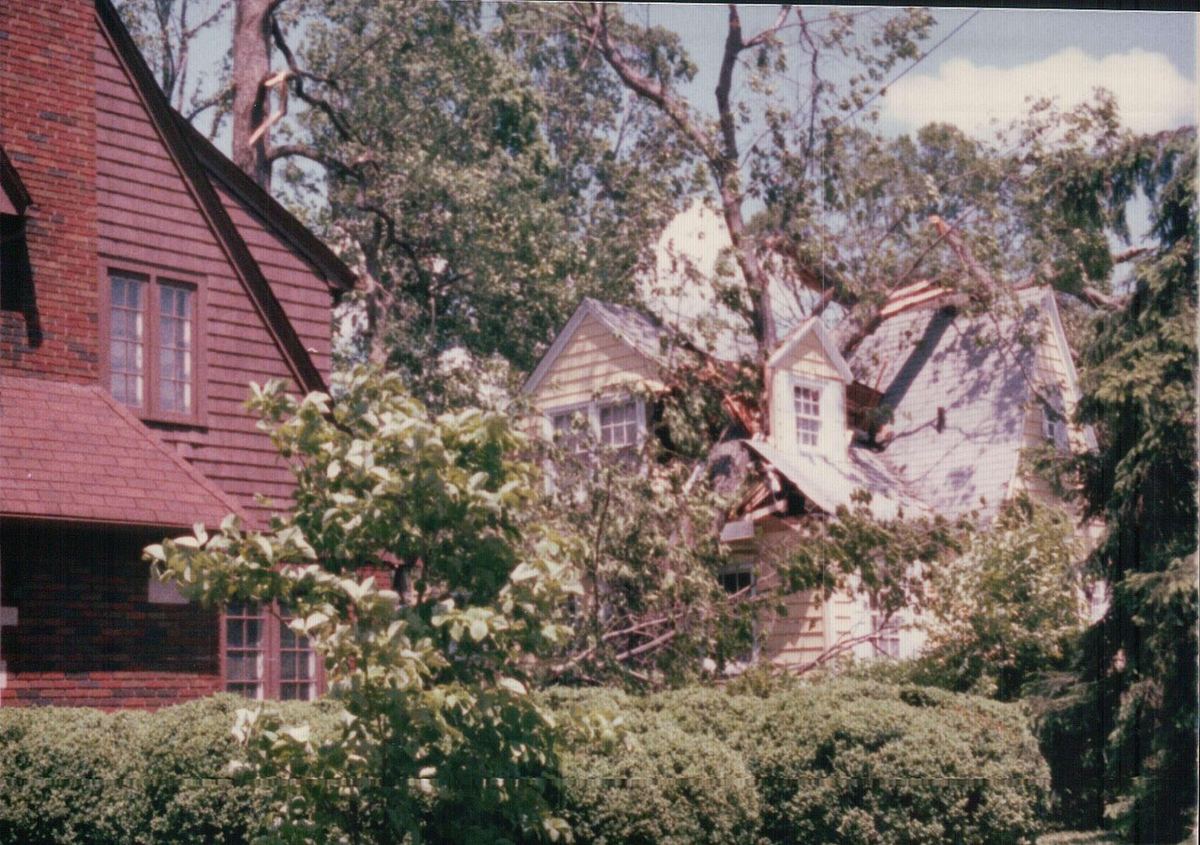
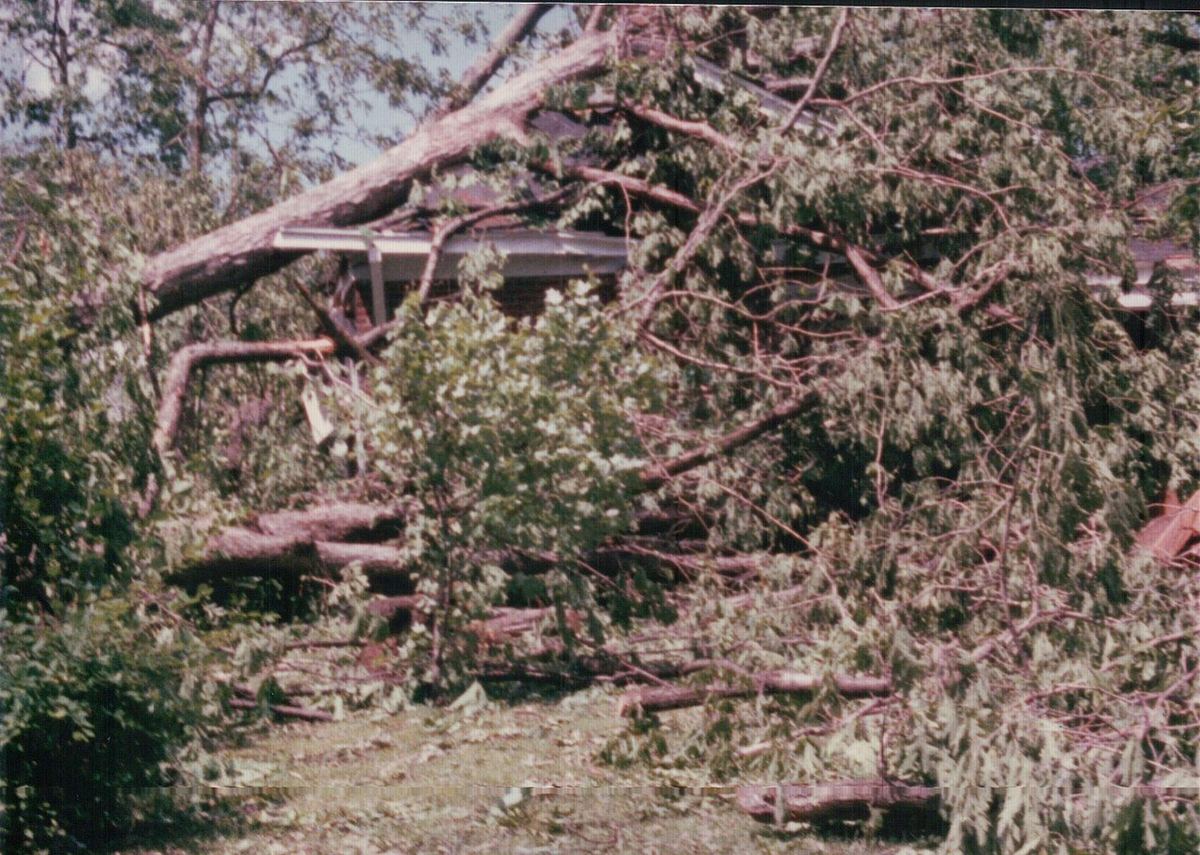
Damage can be a few lifted shingles or a roof torn away. In the Triad, falling hardwoods often cause the worst roof damage. The National Weather Service rates tornadoes on the Enhanced Fujita (EF) scale after surveying damage; EF0 and EF1 tornadoes (estimated 65 to 110 mph) can peel roof edges and drop trees.
Insurance coverage
Short answer: generally covered as wind damage, subject to your deductible.
Coverage usually includes the house, other structures, belongings, debris removal (often with a limit) and additional living expense if the home is unlivable. Tree removal may be covered when a tree damages a covered structure, usually up to a limit. See tree on roof and reading your policy.
Documenting the damage
- Video every room and every side of the house before moving anything.
- Photograph trees and debris on the house.
- List damaged belongings with photos.
- Save the NWS Raleigh or Blacksburg damage survey; the Storm Center lists recent reports.
- Keep receipts for tarps, boarding, tree work and lodging.
Tarps and trees
Cover roof openings and board broken windows. Leave trees on the roof to a professional tree service, and photograph before and after. Keep or photograph debris the adjuster may want to see.
Triad tornado history
Winston-Salem's May 5, 1989 tornado outbreak is still remembered locally; the photos on this page are from it. More recently, the remnants of Hurricane Isaias produced 13 confirmed tornadoes across North Carolina on October 11, 2026, the most in a single day since August 2020, according to the NC State Climate Office.
Since 2006, NOAA's Storm Events Database lists 23 tornado records in the five counties (a tornado crossing a county line counts in each county). Rated EF2 or stronger: May 8, 2008 (EF3, Forsyth County); May 8, 2008 (EF2, Forsyth County); May 8, 2008 (EF2, Guilford County); March 28, 2010 (EF3, Guilford County); April 15, 2018 (EF2, Guilford County).
Disaster aid and fraud
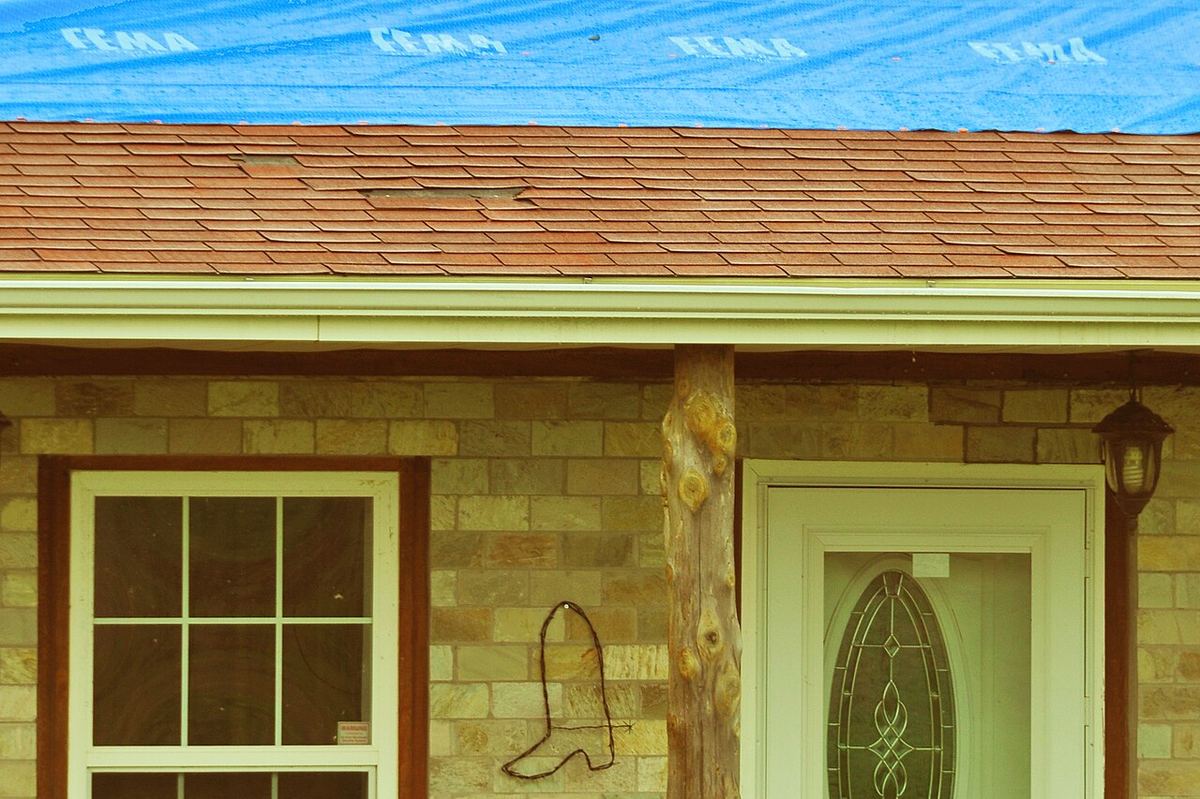
If a federal disaster is declared, apply for FEMA help at DisasterAssistance.gov. Contractor fraud often follows tornadoes; see storm chaser warning signs.
Lessons from the April 15, 2018 tornado
The EF2 tornado that touched down in east Greensboro on April 15, 2018, had winds up to 135 mph and traveled 33.6 miles north into Rockingham County, ending at Ruffin, according to the National Weather Service and the NC Department of Public Safety. In Guilford County, damage assessors counted 36 destroyed homes or businesses, 180 with major damage and 289 with minor damage. A federal disaster declaration followed, which let people apply for low-interest federal loans and grants through FEMA.
The damage pattern was typical of a strong tornado path: most destruction in a narrow band, with lighter roof and tree damage on either side. Homes on the edge of a path may have shingle, gutter and tree damage that is easy to overlook while attention is on the hardest-hit streets, so check carefully even if your house looks fine.
After a disaster declaration
- File with your insurer first. FEMA aid generally doesn't pay for losses your insurance covers.
- Register with FEMA at DisasterAssistance.gov if a declaration covers your county, even if you have insurance, in case your coverage falls short.
- Keep your claim letters; FEMA may ask for your insurance decision.
Frequently asked questions
Does homeowners insurance cover tornadoes?
Generally yes, as wind damage, subject to your deductible.
Who removes a tree that fell on my house?
A professional tree service. Many policies cover removal from a covered structure, up to a limit.
What does EF2 mean?
An Enhanced Fujita rating of roughly 111 to 135 mph estimated wind, assigned by the National Weather Service after a damage survey.
How strong was the 2018 Greensboro tornado?
The National Weather Service rated it EF2, with winds up to 135 mph, on a 33.6-mile path from east Greensboro into Rockingham County.
Policies vary. Check your own policy and ask your insurer or agent about anything that affects your claim. Laws and rules can change; this page reflects official sources as of October 29, 2026. RoofingGreensboro.com is not a contractor, insurer, adjuster or law firm.
Find local help
Roofing contractors serving Greensboro and the Piedmont Triad · Ask for storm help · Counties and towns
Sources
- Ready.gov: Tornadoes
- National Weather Service: The Enhanced Fujita (EF) scale
- NOAA NCEI: Storm Events Database
- NC Department of Insurance: FAQs about homeowners insurance
- Ready.gov (FEMA): Financial preparedness and documenting your property
- NC State Climate Office: Heavy rain, tornadoes accompany Isaias in NC (October 2026)
- NOAA Storm Events Database: April 15, 2018 Greensboro EF2 tornado
- NC Dept. of Public Safety: Aid for Guilford and Rockingham residents affected by tornado (May 2018)